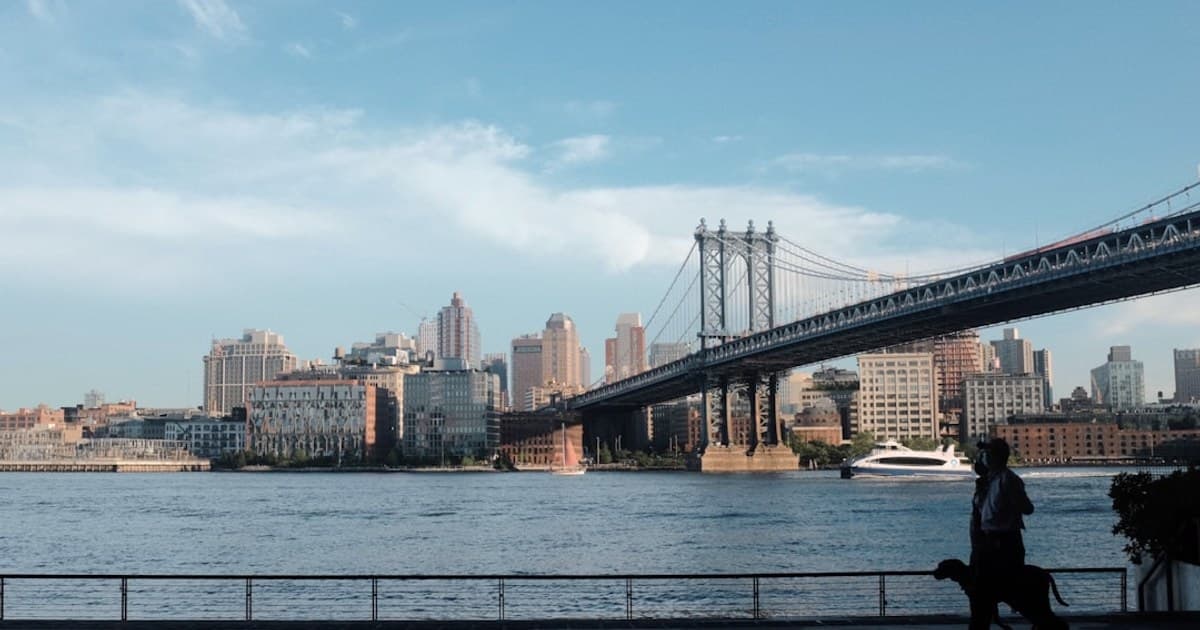



A dinner party of eight in a Manhattan apartment, where some of the adults 21+ at the table use cannabis and some never have. The host problem isn't products. It's a room where one guest assumes cannabis will come up, another would rather it didn't, and a third has a reason to avoid it that they won't mention in a group chat. Getting the evening right means thinking that through before the first guest arrives.
The framing below is host-first and compliance-first. Nothing here is medical advice, and the host is not a pharmacist. The job is to set a table where every guest is comfortable and nobody feels steered.
The Guest Audit
The first step is the least glamorous one. Before the party, the host does a quiet guest audit: who uses cannabis, who doesn't, who has had a bad experience with it, who has a reason to avoid it. This is done in one-on-one texts, not in a group chat, and it is a conversational question, not an interrogation. The goal is to know the table before the table sits down.
The answers shape the evening. A table where several guests would rather cannabis stay out of the evening is a table where it stays out. That is a complete answer, and a common one.
The Dinner Is the Event
The center of gravity is the food and the conversation. Cannabis is not a course, a pairing or a program, and the host doesn't build the timeline around it. A host who plans the evening around anything other than the dinner has planned the wrong evening.
One Lane at a Time
The one firm house rule: cannabis and alcohol don't share the table. If wine is on the table, cannabis products aren't, and the reverse. Mixing the two is where evenings go sideways, and a host who keeps them apart has already removed the most common problem.
Labeling and Storage
Any cannabis product in the apartment stays in its original, labeled packaging, with milligrams per serving visible, and away from the food. It never goes on a shared plate next to a non-cannabis dessert, and nothing infused is ever served to a guest who didn't ask for it. Products come from licensed dispensaries only: verify licensed status via the OCM QR code at cannabis.ny.gov. Untested product from an unlicensed shop has no place at a table of eight.
The host also doesn't recommend that anyone try anything. "Start low, go slow" is label education for an adult deciding for themselves, not a script for the host.
The Guest Who Skips
The guest who prefers not to participate is not a problem to solve. They are a guest. The host has sparkling water and good juice on the tray, the conversation includes them, and nobody comments on what anyone else is or isn't having. A dinner party where the non-participating guest feels like an outsider is a failed dinner party, regardless of what anyone drank.
Getting Everyone Home
No one is driving home at midnight, because this is Manhattan and everyone is in a cab or on the subway. If anyone did arrive by car, New York law prohibits driving while impaired by cannabis or alcohol. The host's last job is making sure everyone leaves comfortable: water on the table, a clear exit path, and a check-in text the next morning.
The Building
The apartment is private, but the building has rules. Many Manhattan leases, co-op bylaws and condo house rules prohibit smoking of any kind, cannabis included, and smoke that drifts into a hallway or a neighbor's unit becomes the building's business. Read the house rules before the guest list.
Compliance, Quickly
- Adults 21+ only; the host confirms every guest is of age
- Verify licensed status via the OCM QR code at cannabis.ny.gov for any cannabis product in the apartment
- New York state law prohibits cannabis consumption on state-owned land and in public spaces; a private apartment is governed by the building's rules
- Start low, go slow is label education, not a host's recommendation
- Keep cannabis and alcohol apart; one lane per table
Where to Go Next
- Hosting cannabis dinner party Manhattan
- NYC cannabis lounges social guide
- Manhattan private cannabis clubs
*This is editorial, not legal advice. Always verify current cannabis laws at cannabis.ny.gov.*
Jay, Editorial Team
Jay pairs cannabis to setting — town guides, dining, festivals, outdoor adventures, and the regional editorial that ties cannabis into specific places and moments. Their writing anchors the town anchors, cabin and lodging coverage, music heritage and Tanglewood-arts pillars, and the lifestyle context that makes a region feel real.