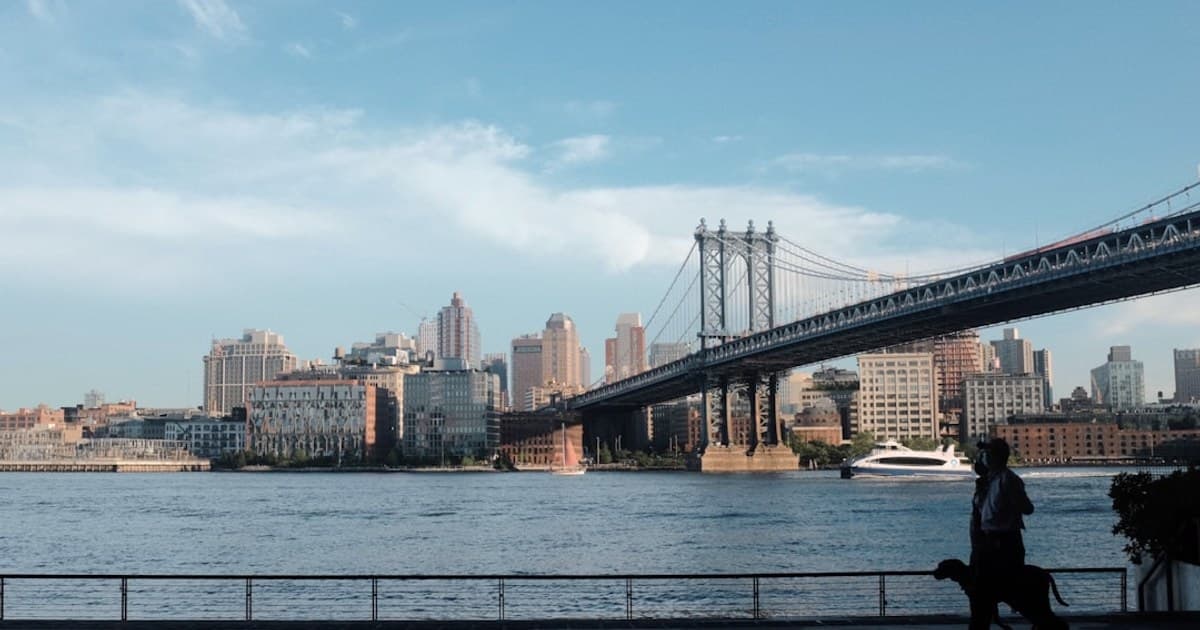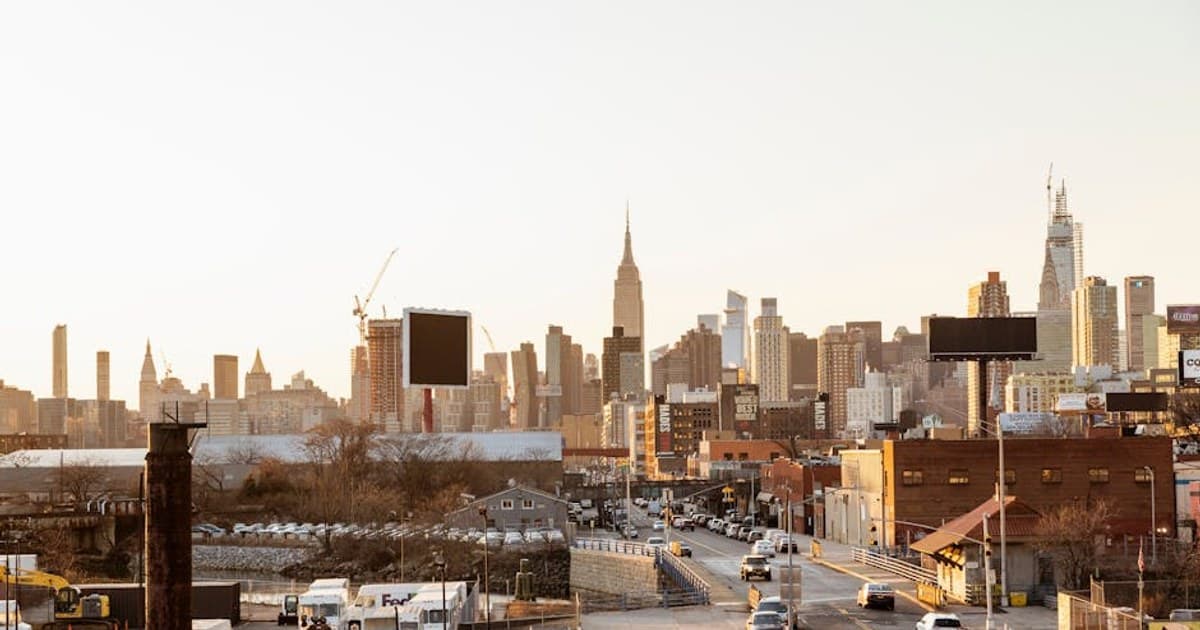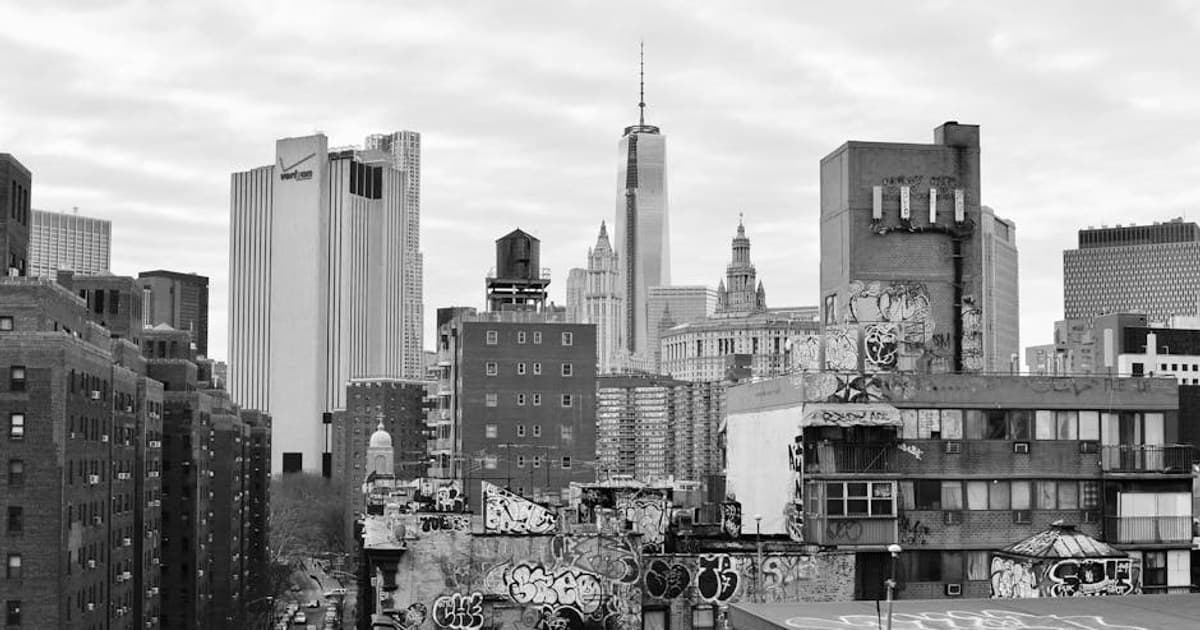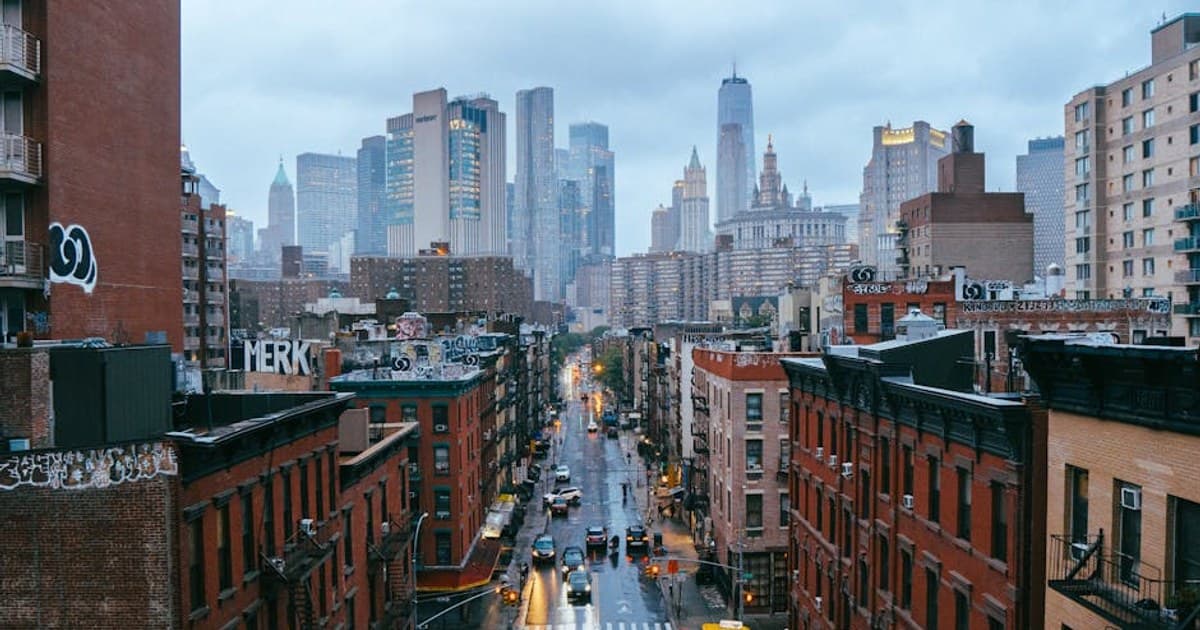


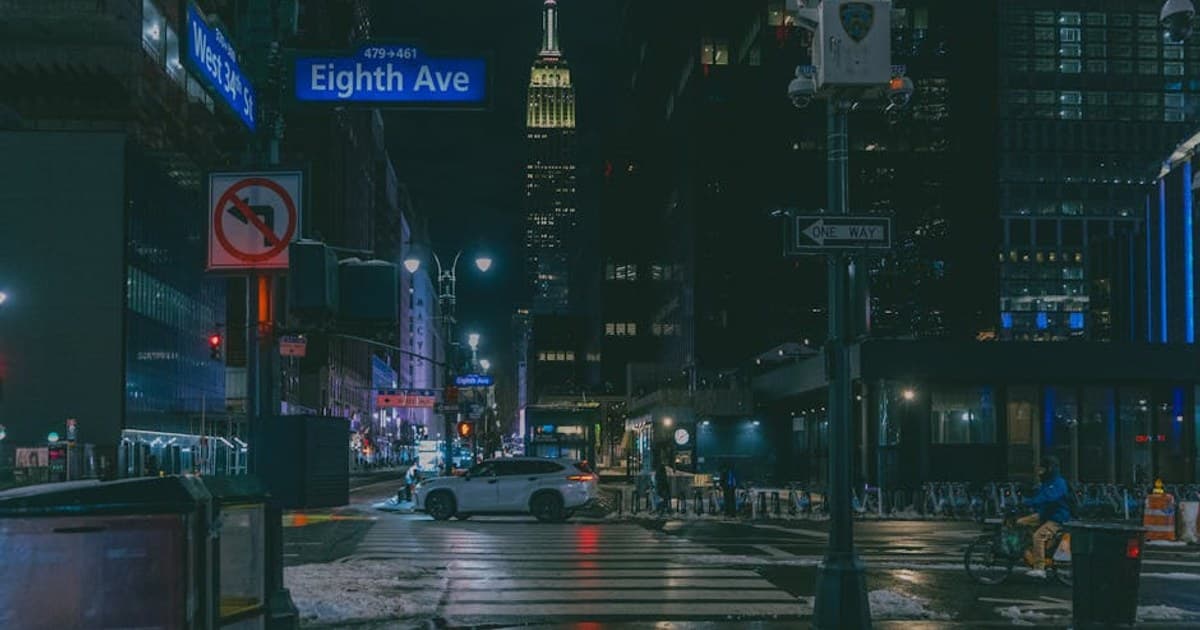
Manhattan rooftops are not a monolith. A shared tar roof in a pre-war walk-up, a building-managed roof deck in a Midtown condo, and a public roof at a museum are three different compliance stories when it comes to cannabis. For adults 21+, the question on every one of them is the same: whose property is this, and what do its rules say?
The breakdown below goes building type by building type. It assumes licensed-retail sourcing and a considered approach to neighbors, and it describes the rules rather than recommending a rooftop as a place to consume.
Public Rooftops Are Off the Table
The first rule is the easiest. The observation deck at the top of 30 Rock, the roof garden at the Met, the Empire State Building: these are public accommodations, and the public-consumption prohibition applies. New York state law prohibits cannabis consumption on state-owned land and in public spaces, and a roof open to ticket-holders qualifies.
Hotel rooftop bars have a clear answer too. They hold liquor licenses, and venues licensed for alcohol in New York don't sell THC beverages or allow cannabis on premises. The hotel's own policy layers on top of that.
A Private Terrace Attached to Your Unit
The simplest case is a private roof terrace deeded to your own apartment, a feature of a minority of Manhattan units, mostly in newer condo buildings and penthouse-level co-ops. If the terrace belongs to your unit and the building's bylaws don't prohibit it, the terrace is treated like the rest of your home.
A few caveats still apply. Smoke travels. Smoke or vapor on a private terrace can drift into neighbor units on adjacent floors, and a complaint will still reach the building. The bylaws decide, and the neighbors decide what gets reported.
Shared-Roof Walk-Ups
A pre-war walk-up with a shared tar roof is a different story. The roof is building common area, not a deeded private space, and the house rules or co-op bylaws govern what is permitted there. Most walk-up leases and proprietary leases prohibit smoking of any kind on the roof, because smoke and fire liability are the same issue regardless of what is being smoked.
The defensible move is to read the lease and ask the super or the board what the policy is. If the answer is no, the answer is no. A shared roof is not worth a lease violation or a neighbor complaint.
Condo Roof Decks with Building Amenities
Newer Manhattan condo buildings often have a building-managed roof deck with seating and a grill station. These are private property, but shared private property, and the building's amenity rules govern. Smoking is almost universally prohibited. Where the rules don't mention cannabis, the building staff interprets them, and if a neighbor complains, the building will usually side with the complainant and tighten the rules. Ask the management office before assuming anything is allowed.
Co-op Rooftops, the Toughest Case
Co-op buildings in Manhattan run their own bylaws, and those bylaws can be stricter than any state or city rule. A co-op can prohibit cannabis consumption anywhere on its property, common areas and private units alike, if the board so chooses. A shareholder who violates the rule can face a cease-and-desist letter and, in a serious case, proceedings. Reading the house rules is the only reliable move in a co-op.
Density and the Neighbor Question
Neighbor proximity changes the stakes. In the East Village and the Lower East Side, a walk-up roof is often visible to three other buildings at the same height, and any smoke is someone else's open window. Lower-density blocks on the Upper East Side, the Upper West Side and parts of Hell’s Kitchen put more distance between roofs, but the building's rules still apply in full.
The Through-Line
Cannabis on a Manhattan rooftop is a private-property question, and every rooftop has a different private-property answer. Public roofs and licensed bars are out under state law. Everywhere else, the lease, the bylaws and the neighbors decide.
Compliance, Quickly
- Adults 21+ only
- Verify licensed status via the OCM QR code at cannabis.ny.gov
- New York state law prohibits cannabis consumption on state-owned land and in public spaces; public rooftops qualify
- Rooftop bars hold liquor licenses and don't allow cannabis or sell THC beverages
- Read the building's lease, bylaws, or house rules before assuming anything about a common-area rooftop
Where to Go Next
- Hosting cannabis dinner party Manhattan
- NY consumption lounge rollout Manhattan
- NYC cannabis lounges social guide
*This is editorial, not legal advice. Always verify current cannabis laws at cannabis.ny.gov.*
Jay, Editorial Team
Jay pairs cannabis to setting — town guides, dining, festivals, outdoor adventures, and the regional editorial that ties cannabis into specific places and moments. Their writing anchors the town anchors, cabin and lodging coverage, music heritage and Tanglewood-arts pillars, and the lifestyle context that makes a region feel real.