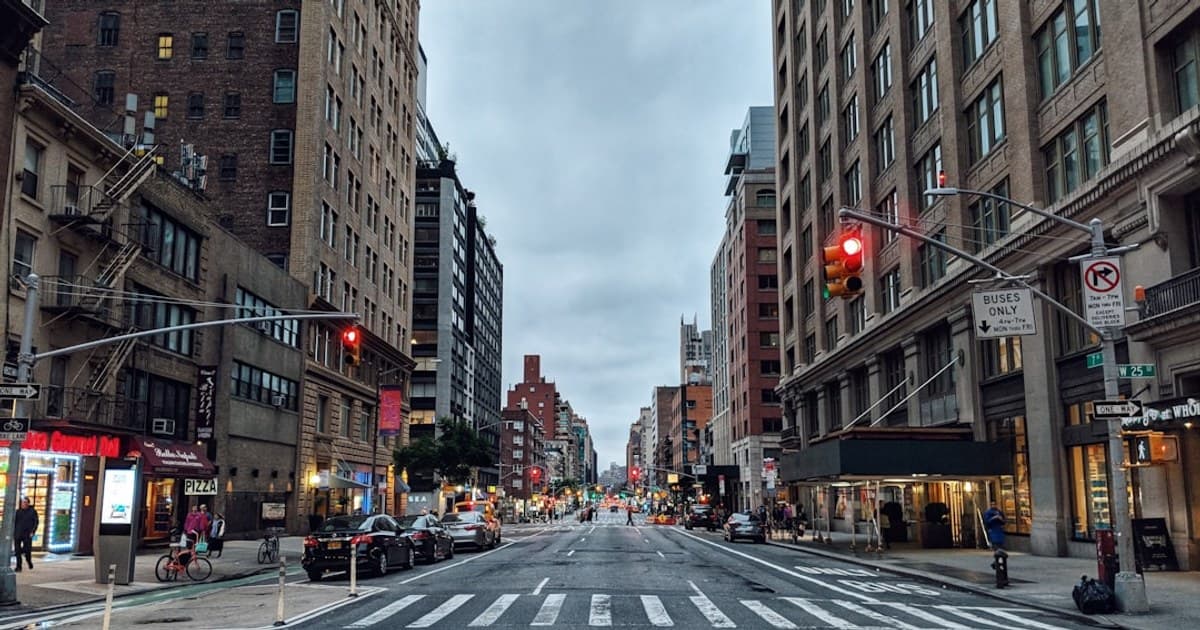

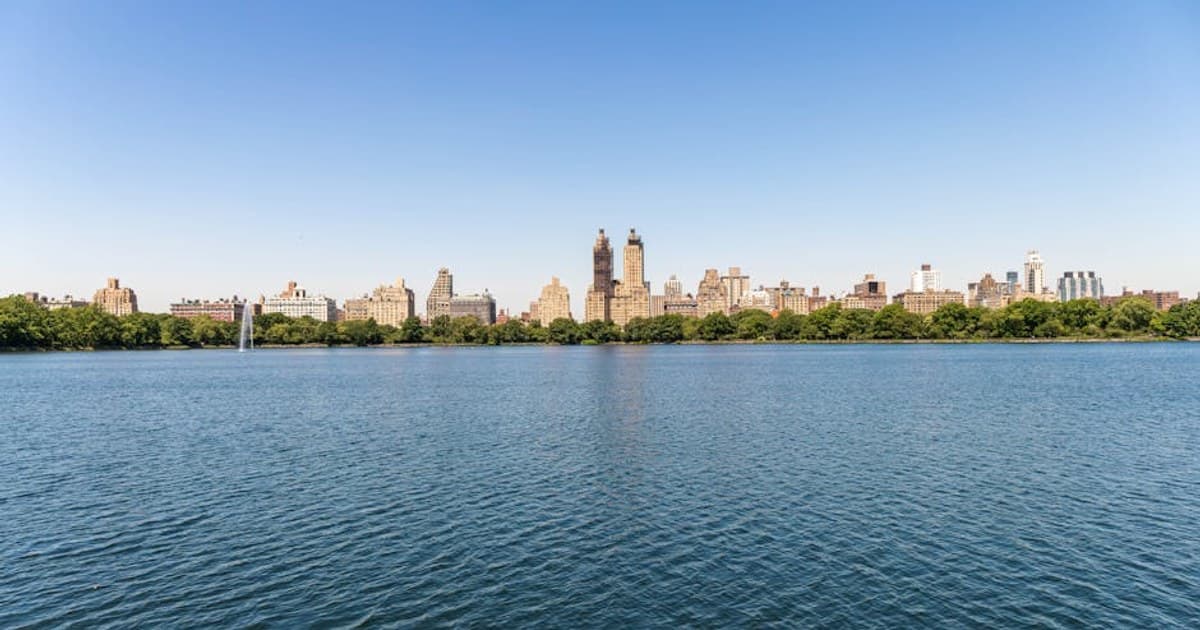
Central Park divides the Upper East Side from the Upper West Side by nine blocks of walking and a world of temperament. The cannabis scenes on either side reflect the neighborhoods themselves: one wellness-leaning with a museum-row register, one family-dense and cultural in a different way, both quietly busy and both served by a growing licensed-retail footprint in 2026.
The cross-park comparison below looks at dispensary density, product mix, weekend rhythms, and the reasons an uptown adult 21+ might cross the park in either direction.
Dispensary Density
As of 2026, both sides of the park have multiple licensed dispensaries within a twenty-minute walk, with the Upper East Side slightly denser along the Third and Second Avenue corridors and the Upper West Side more concentrated along Broadway and Amsterdam. The numbers shift as new licenses come online, and any count given today will be wrong in six months. The directional read, that both neighborhoods are well served and neither is a desert, has held since mid-2024.
The corridor differences matter more than the count. Third Avenue on the Upper East Side runs a retail spine from the 60s through the 90s, and dispensaries on that corridor benefit from the foot traffic between the 59th Street Bridge and the 86th Street hub. Broadway on the Upper West Side runs its own long retail spine, with 72nd, 79th, 86th, and 96th as the recognized cross-street hubs.
Product Mix, What Stocks Move Where
The neighborhood-level product mix is one of the more interesting cross-park differences. Upper East Side shops tend to carry a deeper THC-seltzer and edibles selection, with flower as a meaningful but secondary category. The read from budtenders: an older median customer age, and a preference for edibles and beverages over flower.
Upper West Side shops carry a broader flower selection, a strong edibles section, and a notable amount of pre-roll movement. The customer mix includes a larger share of Columbia graduate students and faculty, the arts-and-media professionals who populate the neighborhood, and a long-standing bohemian undertone that has never fully left the UWS.
Neither neighborhood is monolithic. Both sides have customers buying the full range of products, and the generalization here is directional, not absolute.
Two Temperaments
The Upper East Side reads residential and private. Its shops are quiet, the customers are often regulars, and the transaction is an errand on the way home rather than an outing. The neighborhood's nightlife is modest relative to downtown, and cannabis retail matches that register.
The Upper West Side has more restaurant density on Amsterdam and Columbus and a younger slice of customers from the Columbia orbit, so its shops feel a shade busier in the evening. The sober-curious crowd on the Upper West Side is sizable and has been building for years, though drinking less and buying cannabis are separate stories. One note for both sides of the park: venues licensed for alcohol in New York don't sell THC beverages or allow cannabis on premises, so no uptown bar or restaurant is part of the cannabis picture.
Weekend Rhythms
Saturday morning on the Upper East Side runs on the museum-mile rhythm: the Met, the Guggenheim, the Frick, the Neue Galerie. Dispensary traffic picks up in the afternoon, as a stop on the walk home rather than a destination.
Saturday morning on the Upper West Side is a park-side run, a farmer's market (Tucker Square, 79th and Broadway), a Zabar's stop, a Columbus Avenue walk. The rhythm is slower-paced and more neighborhood-centric, and a dispensary visit slots in among the other weekend errands.
Sunday is quieter on both sides. The Upper West Side has more family-and-kid density, which shapes the afternoon register. The Upper East Side feels like a large residential neighborhood that happens to host the weekend's major cultural institutions.
Cross-Park Moves
Residents cross the park for a specific shop more often than for a neighborhood: a menu that carries a brand their local store doesn't, a loyalty program, a budtender they trust. The 86th Street crosstown bus is the fastest cross-park connector, and the walk through Central Park in good weather adds twenty to thirty minutes, both directions. Purchases stay sealed for the walk; Central Park is public land.
The Licensed-Retail Check
Both neighborhoods still have unlicensed grey-market operators mixed in with the licensed ones, and the green-and-white OCM placard is the visible tell. Verify licensed status via the OCM QR code at cannabis.ny.gov before any purchase, uptown, downtown, or crosstown.
The Short Read
If a single summary has to fit in a sentence: the Upper East Side cannabis scene is quiet, wellness-adjacent, and home-based; the Upper West Side is a shade busier, younger, and more flower-friendly; both are well-served and both are a cab ride from anywhere else.
Compliance, Quickly
- Adults 21+ only; every dispensary on both sides of the park checks ID
- Verify licensed status via the OCM QR code at cannabis.ny.gov
- New York state law prohibits cannabis consumption on state-owned land and in public spaces; Central Park is a non-starter
- Start low, go slow with any unfamiliar product; the label lists milligrams per serving
- Smoking in apartment buildings varies; beverages and edibles are the neighbor-friendly default
Where to Go Next
- Sober curious Upper East Side cannabis
- Upper West Side sober curious cannabis shift
- Manhattan neighborhood cannabis guide
*This is editorial, not legal advice. Always verify current cannabis laws at cannabis.ny.gov.*
Jay, Editorial Team
Jay pairs cannabis to setting — town guides, dining, festivals, outdoor adventures, and the regional editorial that ties cannabis into specific places and moments. Their writing anchors the town anchors, cabin and lodging coverage, music heritage and Tanglewood-arts pillars, and the lifestyle context that makes a region feel real.