In this story ▾
- Harlem Geography: 125th Street, Lenox, Adam Clayton Powell, and Frederick Douglass
- Harlem Restaurant Register
- Washington Heights: 181st, Broadway, and St. Nicholas
- Inwood: Dyckman, Broadway, and the Park
- Where to Shop: Upper-Manhattan Licensed Retail
- Transit and Getting Around
- An Upper-Manhattan Weekend Template
- Compliance: Parks, Cloisters, Apollo, and Private Residence
- FAQ
# Harlem, Washington Heights, and Inwood: An Upper-Manhattan Neighborhood Guide for Adults 21+
Upper Manhattan reads differently from the rest of the borough. The downtown grid surrenders to the diagonal sweep of Broadway above 168th Street, the buildings shrink, the parks stretch wider, and three distinct cultural registers stack on top of each other along the spine of the island. Harlem holds the African-American cultural and musical canon. Washington Heights carries the largest Dominican-American community in the country. Inwood, the northernmost neighborhood in Manhattan, runs quieter than anywhere else south of the Bronx and ends in actual forest.
For adults 21+, this triangle offers a register the West-Village-and-down corridor doesn't: more room, fewer tourists, and a food-and-music density that rewards a slow evening. New York legalized adult-use cannabis in 2021. State law prohibits cannabis consumption on state-owned land and in public spaces. Licensed retail in upper Manhattan is still expanding, and verification matters more here than anywhere else, since unlicensed storefronts are common above 110th Street. Every purchase decision in this guide assumes the OCM-licensed verification step at cannabis.ny.gov.
Harlem Geography: 125th Street, Lenox, Adam Clayton Powell, and Frederick Douglass
Harlem's grid breaks into four north-south spines and one east-west commercial line. 125th Street is the commercial-and-cultural artery, running from the Hudson at Riverside Drive across to the East River. The Apollo Theater sits on 125th between Frederick Douglass and Adam Clayton Powell Boulevards, and the Studio Museum in Harlem sits nearby, both of them anchors that organize how the neighborhood reads itself.
The north-south corridors do different work. Lenox Avenue (also signed as Malcolm X Boulevard) is the historic heart, the spine that runs past Sylvia's and into central Harlem's residential brownstones. Adam Clayton Powell Jr. Boulevard (Seventh Avenue uptown) carries the broader institutional weight, with churches, libraries, and the bigger-canvas civic buildings. Frederick Douglass Boulevard (Eighth Avenue uptown) is the newer restaurant-and-bar corridor, where most of the past decade's openings cluster between 110th and 125th. St. Nicholas Avenue rides west of that, climbing toward Sugar Hill and Hamilton Heights.
For an evening, the shape is: dinner on Frederick Douglass or Lenox, programming around 125th, and a long walk back through brownstones at any hour the weather allows.
Harlem Restaurant Register
Sylvia's, the soul-food institution Sylvia Woods opened on Lenox Avenue in 1962, remains the canonical Harlem dinner. The fried chicken, smothered pork chops, and collards are the menu people travel for, but the room is the actual draw. It is a Harlem dining room, which is to say a dining room that doesn't perform Harlem for outsiders, it simply is the place.
Red Rooster, Marcus Samuelsson's Lenox Avenue project, sits a few blocks north and reads more contemporary: Ethiopian-Swedish-Southern crosstalk, an active bar program, and a music register that runs from jazz piano to weekend DJs. Melba's, on Frederick Douglass at 114th, is the other anchor, run by Melba Wilson and famous for the chicken and waffles with strawberry butter. The room is smaller, the energy warmer, and the late-evening bar pours stretch.
The Harlem evening template is the unhurried one: a long dinner, a show at the Apollo or a set somewhere on the music circuit, a slow walk down Frederick Douglass, and a cab home. These are licensed restaurants and venues, and in New York that means no cannabis on premises and no THC beverages on the menu.
Washington Heights: 181st, Broadway, and St. Nicholas
Washington Heights begins, depending on who you ask, somewhere between 155th and 165th and runs north to roughly 190th. The neighborhood's commercial life concentrates on three corridors. Broadway is the broad, north-south spine running the length of the neighborhood. 181st Street is the east-west commercial line, dense with bodegas, pharmacies, salons, and the kind of small-business density that defines a working neighborhood. St. Nicholas Avenue cuts diagonally and carries much of the restaurant register.
This is the largest Dominican community in the United States, and the foodways follow. Malecón Restaurant, on Amsterdam Avenue, is the rotisserie-chicken canonical: the bird arrives with rice, beans, plantains, and the green sauce that defines the genre. The room is bright and unpretentious, and the line on weekend nights moves quickly. Beyond Malecón, the corridor from 175th up to 181st carries enough Dominican lunch counters, bakeries, and rotisserie spots that anyone with a slow appetite can wander for an hour and eat well from three different counters.
The Cloisters, the Met's medieval-art branch built into Fort Tryon Park at the neighborhood's northern edge, is the cultural anchor that draws downtown visitors uptown. The building is assembled from actual medieval European monastery fragments, the gardens are exceptional, and the view from the park's bluff over the Hudson runs all the way to the Palisades. The Cloisters sits on city parkland, which carries a compliance note worth holding onto.
A Washington Heights day reads: late-afternoon Cloisters walk, dinner at Malecón, a wander along St. Nicholas, cab home.
Inwood: Dyckman, Broadway, and the Park
Inwood, north of Dyckman Street and running to the tip of the island, is the quietest neighborhood in Manhattan. The register is residential, the buildings are mostly pre-war low-rise, and the population is a mix of long-tenured Dominican-American families and newer arrivals from downtown looking for square footage.
Dyckman Street is the commercial spine and the bar-and-restaurant corridor. The stretch between Broadway and Seaman Avenue carries most of the dining, with a register that runs from Latin nightlife to neighborhood pubs. Indian Road Café, on the western edge by Inwood Hill Park, runs a brunch-and-dinner register that has long served as the neighborhood's de facto living room, sidewalk seating in warm months, a long bar, and reliable food.
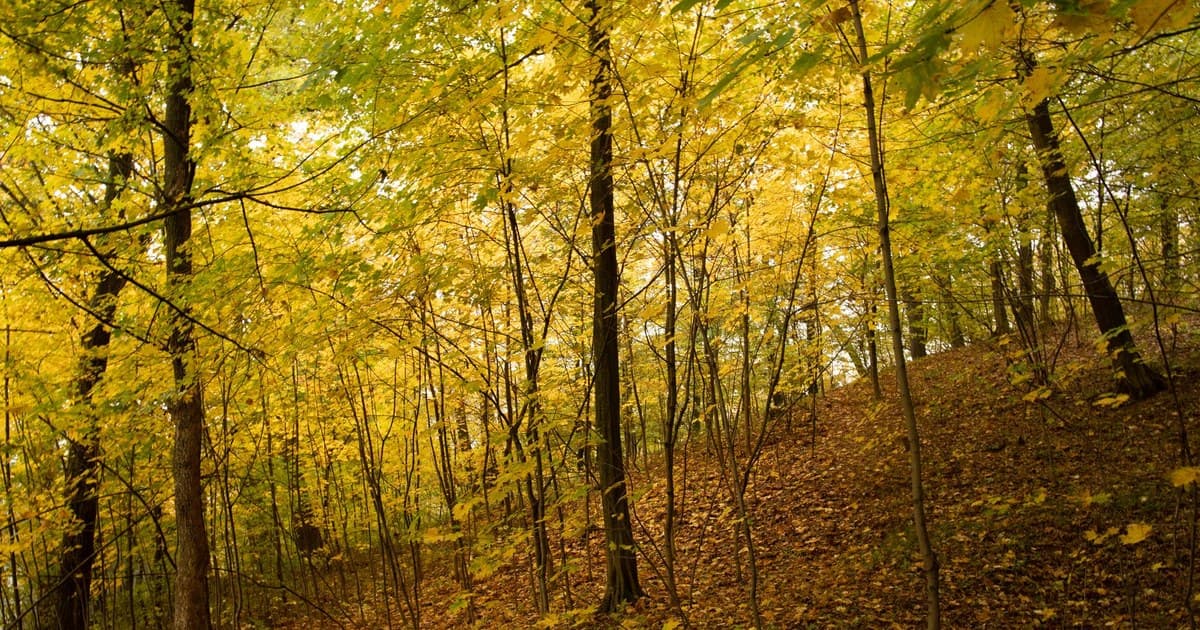
Inwood Hill Park is the headline. It contains the only original old-growth forest left on Manhattan, the Lenape rock shelters where the neighborhood's earliest residents lived, and salt marshes along the Harlem River. The park's hills offer the highest natural elevation in Manhattan. The Dyckman Farmhouse, the only remaining 18th-century Dutch colonial farmhouse on the island, sits at 204th and Broadway and operates as a small museum.
Inwood Hill Park is New York City parkland. New York state law prohibits cannabis consumption on state-owned land and in public spaces, and that prohibition extends through city parks. The park itself is the experience: cardinals, hawks, the river view, and the rare Manhattan register of no audible traffic.
Where to Shop: Upper-Manhattan Licensed Retail
Licensed cannabis retail in upper Manhattan is still expanding, and as of 2026 the dispensary footprint above 110th Street is thinner than the downtown corridor. Coverage shifts month to month as new licensees open, so the move for any visitor or local is to check the OCM directory at cannabis.ny.gov before assuming any storefront is licensed. Unlicensed shops are common in upper-Manhattan retail corridors and are not part of the legal market.
For a current, verified list of OCM-licensed dispensaries serving Harlem, Washington Heights, and Inwood, see /dispensaries/in/new-york. The directory updates as new shops come online and reflects the licensed-retail register only.
The verification step is not optional. An OCM-licensed retailer carries lab-tested product with COAs, age verification at the door, and tax compliance. Anything else is, regardless of how the storefront presents, outside the regulated market.
Transit and Getting Around
Upper Manhattan is well-served by the IRT and IND lines. The 1 train runs the length of Broadway from 116th up through Inwood at 215th. The A train is the express spine: 125th, 145th, 168th, 175th, 181st, 190th, Dyckman, 207th. The B and C trains parallel the A on the IND, with the C as the local and the B running express on weekdays. The 2 and 3 trains serve central and east Harlem along Lenox. The D train cuts through Washington Heights on its way to the Bronx.
Cannabis consumption is prohibited on MTA property, which includes trains, platforms, and stations. The verbatim line above holds: state law prohibits cannabis consumption on state-owned land and in public spaces, and the subway is covered.
An Upper-Manhattan Weekend Template
Saturday morning: 1 train to 215th, walk into Inwood Hill Park, do the loop through the old-growth forest and along the river to the salt marsh. Brunch at Indian Road Café after.
Saturday afternoon: A train down to 190th, walk into Fort Tryon Park, see the Cloisters. The view over the Hudson is the payoff.
Saturday evening: 1 train back to 125th, dinner at Sylvia's or Red Rooster on Lenox, or Melba's on Frederick Douglass, then a slow walk and a cab home.
Sunday: a gospel-brunch register if that's the move, then a long walk down Adam Clayton Powell to Central Park's north end.
Compliance: Parks, Cloisters, Apollo, and Private Residence
The read on upper-Manhattan compliance is the same as anywhere else in the city. Inwood Hill Park, Fort Tryon Park, Riverside Park, and Marcus Garvey Park are all city parkland and fall inside the prohibition. The Cloisters sits inside Fort Tryon Park. The Apollo and the Studio Museum are private venues with their own house rules, which means no consumption inside, full stop. Restaurants and bars follow the same logic: no consumption indoors at a licensed-alcohol establishment.
Outside public space, private property sets the rules, and the owner decides: a landlord, a co-op board, a hotel's written policy. None of the parks, museums, venues or restaurants in this guide are places for cannabis.
FAQ
Which Harlem restaurants are the anchors?
Sylvia's on Lenox, Red Rooster on Lenox, and Melba's on Frederick Douglass are the canonical three. All are licensed restaurants, and in New York that means no cannabis on premises and no THC beverages on the menu.
Where is the closest licensed dispensary to Washington Heights?
Licensed retail above 110th Street is still expanding as of 2026. Coverage shifts as new OCM licensees open, so check the directory at cannabis.ny.gov or the verified list at /dispensaries/in/new-york before assuming any storefront is licensed. Unlicensed shops are common in upper-Manhattan retail corridors and are not part of the regulated market, regardless of how they present from the sidewalk.
Can I consume cannabis at Inwood Hill Park?
No. Inwood Hill Park is New York City parkland, and state law prohibits cannabis consumption on state-owned land and in public spaces. The park is a walking destination, which the old-growth forest, the Lenape rock shelters, and the river views make worthwhile on its own terms.
Can I bring cannabis into the Cloisters?
The Cloisters is a Met branch museum located inside Fort Tryon Park, which is city parkland. Consumption is prohibited on the grounds and inside the building. Possession by an adult 21+ from a licensed retailer in original packaging is legal under state law, but the museum sets its own house rules and consumption is not part of them.
How do I get from downtown to Inwood without a car?
The A train is the fastest option: it runs express through Manhattan and stops at Dyckman Street and Inwood-207th. The 1 train is the slower-but-scenic option along Broadway, terminating at 215th. Both trips run roughly 45 minutes from Midtown. Cannabis consumption is prohibited on MTA property, including trains, platforms, and stations.