

The business-travel day in Manhattan has a well-worn shape. A morning client meeting in Midtown, a lunch on 52nd or in Flatiron, an afternoon at the office or a second meeting downtown, a dinner somewhere in SoHo or the Village, and a cab back to the hotel by ten. For visiting adults 21+, New York's licensed cannabis market sits inside that day as an errand like any other, with a few rules that matter more for a traveler than for a local.
The framing below is discretion-first and compliance-first, and it assumes a schedule that includes meetings the next morning.
Two Separate Lanes
The client dinner, the reception, and the hotel bar run on alcohol. Cannabis is a separate decision, kept out of the same evening. Bars and restaurants with liquor licenses in New York don't sell THC beverages and don't allow them on premises, so the two never meet on the business itinerary anyway. A zero-proof cocktail at the hotel bar is an alcohol-free drink, not a cannabis one.
Sourcing in Manhattan
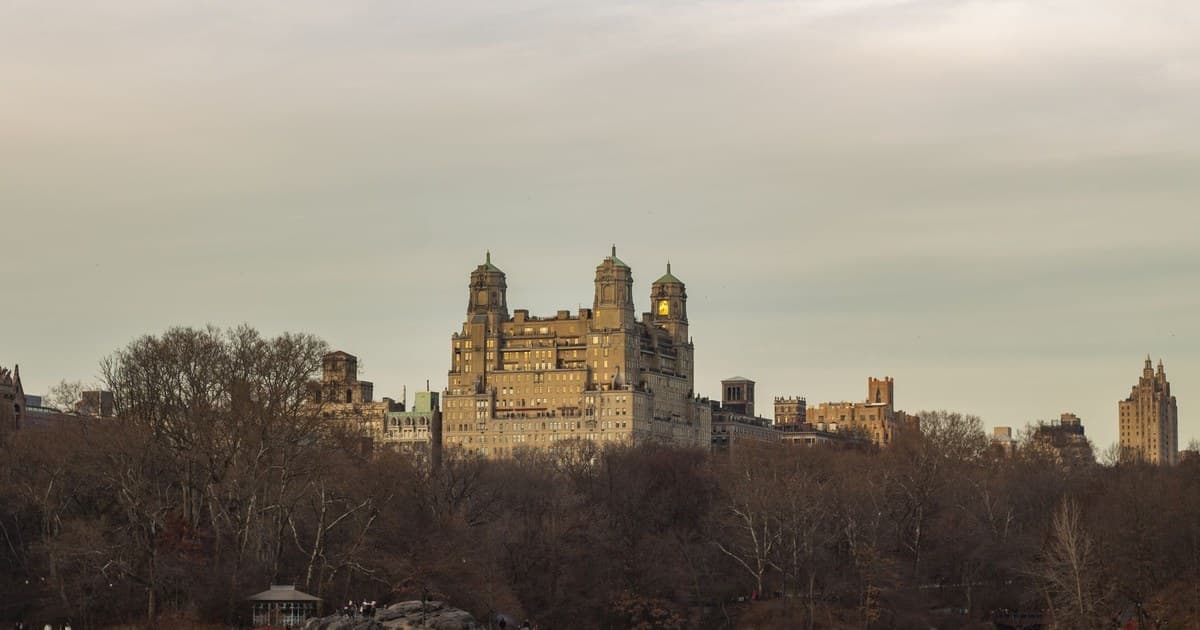
Manhattan has dozens of licensed dispensaries as of 2026, spread across Midtown, the Village corridor, the Lower East Side, SoHo, and Harlem. A visiting traveler with a hotel in Midtown or Hell’s Kitchen usually has several licensed options within a short walk. Licensed delivery services cover most Manhattan hotel addresses, with windows that vary by service and time of day.
The one step that matters: verify licensed status via the OCM QR code at cannabis.ny.gov before you order. The unlicensed market in Manhattan is still active, and a storefront that looks like a dispensary is not necessarily one. Carry ID; every licensed shop and delivery driver checks it.
Reading the Label
Licensed products list milligrams of THC per serving and per package. Edibles take longer to come on than inhaled products and last longer, which is why "start low, go slow" is the standard advice for anyone using an unfamiliar product. Ask the budtender about serving size before buying; that conversation is part of the job at a licensed shop.
Hotel Policy
A hotel sets its own cannabis policy, the same way a landlord does. Smoking and vaping are prohibited indoors at most Manhattan properties, and a housekeeping report of smoke in a room can trigger a cleaning fee and a note on the reservation. Some properties address cannabis directly in their booking terms. Read the policy, or ask at the desk, before assuming anything about a room, a balcony or a terrace.
The Meeting-Adjacent Boundary
One boundary worth stating clearly: cannabis and the working day don't mix. Nobody wants to run an important call or a client presentation impaired, and New York law prohibits driving while impaired by cannabis, which matters for anyone with a rental car or an early drive to the airport.
Cannabis use by a visiting traveler is also a personal matter, not a client-facing one. Discretion means the product stays in your bag and the conversation stays off the expense report.
What to Pack and What to Leave
A visiting traveler brings nothing from home. Interstate transport of cannabis products is not legal, even between legal states, and airports operate under federal jurisdiction. Buy only what fits the trip, and leave anything unused in New York rather than in a carry-on.
Compliance, Quickly
- Adults 21+ only; carry ID for any dispensary or delivery purchase
- Verify licensed status via the OCM QR code at cannabis.ny.gov
- New York state law prohibits cannabis consumption on state-owned land and in public spaces; hotels set their own rules for rooms and terraces
- Start low, go slow with any unfamiliar product, and keep cannabis and alcohol apart
- Do not transport cannabis products across state lines, even to a legal state
Where to Go Next
- Cannabis for NYC visitors guide
- NYC hotel cannabis etiquette guide
- NYC first-time visitor cannabis primer
*This is editorial, not legal advice. Always verify current cannabis laws at cannabis.ny.gov.*
Jay, Editorial Team
Jay pairs cannabis to setting — town guides, dining, festivals, outdoor adventures, and the regional editorial that ties cannabis into specific places and moments. Their writing anchors the town anchors, cabin and lodging coverage, music heritage and Tanglewood-arts pillars, and the lifestyle context that makes a region feel real.