
Most Manhattan neighborhood guides stop at 125th Street, and the generous ones make it to the George Washington Bridge. Inwood sits past all of that, at the island's northern tip, where the A train runs out of track at 207th Street and the city gives way to a forest that was never cleared. It is the least visited neighborhood in Manhattan by people who don't live there, and late fall is the best argument for changing that.
Getting there
The A train runs express from Midtown to Inwood, with stops at Dyckman Street and its northern terminal, Inwood–207th Street at Broadway. The 1 runs elevated along Nagle and Tenth Avenues on the neighborhood's eastern side. From Columbus Circle on the A, the ride is shorter than most people guess, and it ends with a walk into a park instead of a transfer.
Inwood Hill Park
The reason to come. NYC Parks describes Inwood Hill Park as holding the last natural forest and salt marsh in Manhattan, and the park covers roughly 196 acres of ridgeline, glacial rock and old-growth woods along the Hudson and the Spuyten Duyvil.
What to look for:
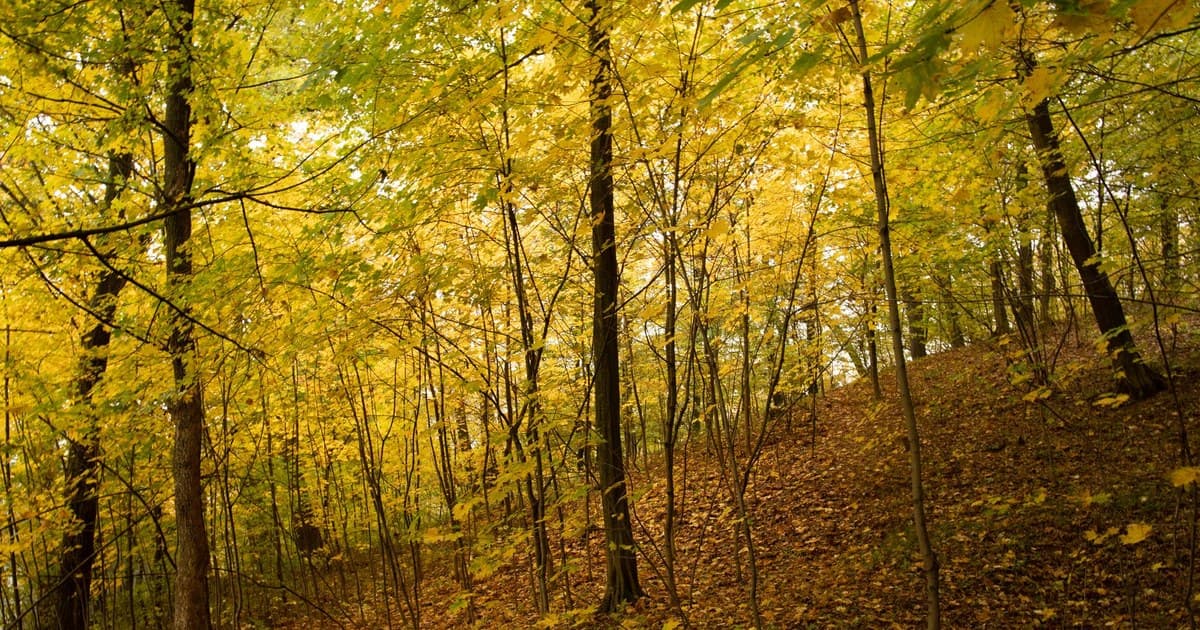
- The forest. Trails climb the ridge through tulip trees and oaks to views over the Hudson toward the Palisades. In late October and November the canopy turns, and the trails are quiet enough on a weekday to hear the Henry Hudson Bridge traffic as the only reminder of where you are.
- Shorakkopoch Rock. At the southwest edge of the ballfields near 214th Street, a plaque dedicated in 1954 marks the spot of a tulip tree that stood for roughly 280 years until 1938, and the place where, by tradition, Peter Minuit's 1626 purchase of Manhattan from the Lenape took place. The story is contested; the site is still worth the walk.
- Muscota Marsh and the salt marsh. Brackish, tidal and full of waterfowl, the marsh at the park's northern edge is the kind of landscape every other part of Manhattan paved long ago.
- The Nature Center near 218th Street and Indian Road, damaged in Superstorm Sandy in 2012 and partially reopened since. Check its hours before planning around it.
The Dyckman Farmhouse
On Broadway at West 204th Street, the Dyckman Farmhouse Museum is a Dutch Colonial farmhouse of fieldstone, brick and wood built around 1784, the last farmhouse left in Manhattan. It stayed in the Dyckman family until 1868; descendants bought it back in 1915, restored it and gave it to the city, and it has been a museum since 1916, now part of the Historic House Trust. It is small, the garden is the best part, and it explains in about an hour what this entire end of the island looked like before the subway arrived. Hours are limited, so check before going.
Isham Park and the Saturday market
Next to Inwood Hill, the 20-acre Isham Park was assembled largely from gifts of the Isham family's estate land. On its edge, the Inwood Greenmarket sets up on Isham Street between Seaman Avenue and Cooper Street every Saturday, year-round, from 8 AM to 3 PM, and has since 2004. In November it is apples, squash, bread and the farmers who will talk to you about all three, which makes it the natural start to a park day.
Dyckman Street and Broadway
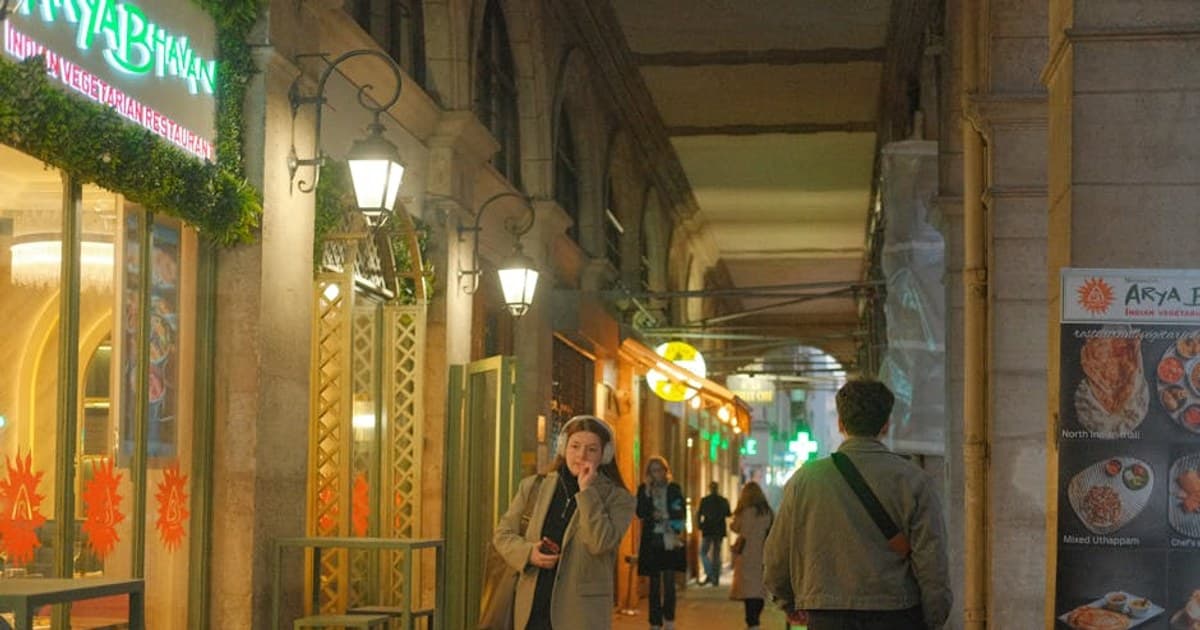
Inwood's commercial life runs along Broadway and Dyckman Street, and it has the highest concentration of residents of Dominican descent in the city: bakeries, counter-service spots and restaurants where the pernil and the mofongo are the point. Dyckman toward the Hudson gets louder on weekend nights. For a daytime visit, eating on Broadway between Dyckman and 207th is the move.
A short detour south: the Cloisters
Just below Inwood in Fort Tryon Park, in neighboring Washington Heights, The Met Cloisters holds the museum's medieval collection in a building assembled from European cloisters on a hilltop over the Hudson. It is open daily, and New York State residents pay what they wish with ID. Combined with Inwood Hill Park, it makes one of the best fall days in the city without going near Midtown.
A November Saturday, in order
Start at the greenmarket on Isham Street when it opens at 8 AM, while the stalls are still full. Walk through Isham Park into Inwood Hill Park and give the ridge trails and the salt marsh two unhurried hours. Come down to Broadway for a late lunch, stop at the Dyckman Farmhouse if its doors are open, then take the A one stop south toward Fort Tryon Park for the Cloisters in the afternoon. In late November the light goes early, so plan to be done with the trails well before four.
For adults 21+
Inwood has seen less of the licensed retail buildout than downtown neighborhoods. The dispensary directory lists licensed shops by neighborhood, and licensed delivery covers Upper Manhattan, prepaid and with an ID check at the door. However you buy, verify licensed status via the OCM QR code at cannabis.ny.gov; Upper Manhattan has its share of unlicensed storefronts.
Almost everything above is outdoors and public. New York state law prohibits cannabis consumption on state-owned land and in public spaces, and the city's smoke-free rules cover its parks, so Inwood Hill Park, Isham Park, the greenmarket and Fort Tryon are all off limits for consumption. The trails also involve rock scrambles and uneven footing that deserve a clear head.
For edibles, the usual framing holds: read the milligrams per serving on the label, then start low, go slow.
The neighborhood hub for Inwood collects everything else on the site about the top of the island, and upcoming uptown events are on the events hub.